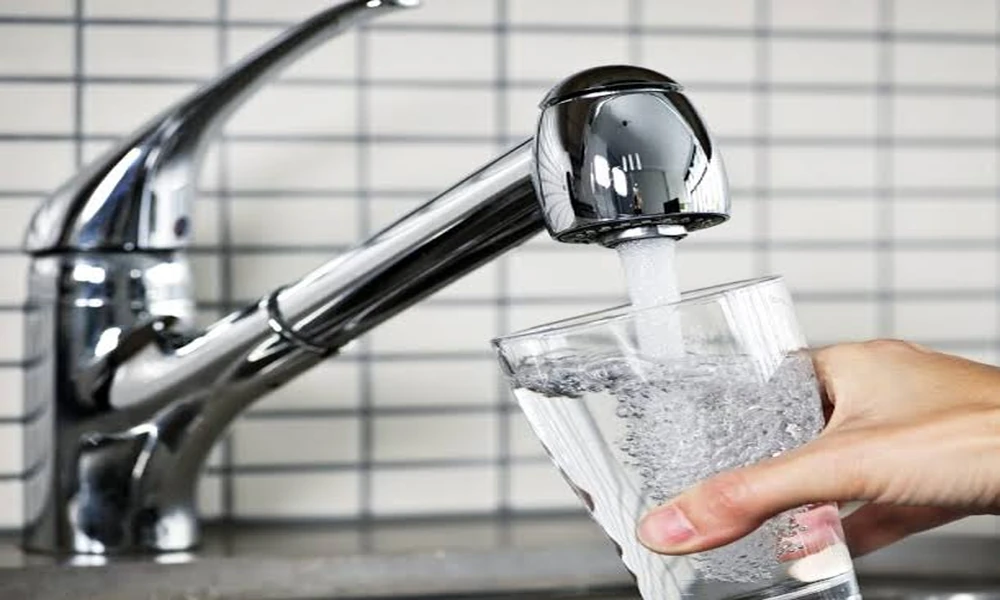
Most households have no idea their water is hard until they see the symptoms: white crust on taps, cloudy glasses, dry skin, stiff laundry and appliances that wear out early. Even then, many people do not connect the dots. That makes water treatment an educational sale. You are not only selling equipment. You are helping someone understand a problem they cannot see. If you are researching water softener marketing, the strongest strategies begin with teaching, build trust through testing and then grow into a steady stream of repeat business.
Start With the Problem, Not the Product
People rarely search for “ion exchange system.” They search for the things they notice.
- Why is there white scale on my showerhead?
- Why does my laundry feel rough?
- Why do my dishes come out spotty?
- Why does my water heater keep failing?
- Is my tap water safe to drink?
Build your website and content around those everyday questions. When a homeowner lands on a page that describes their exact frustration, you are already part of the solution.
Make Hard Water Easy to Understand
Explain the basics in plain language:
- What makes water hard and why it varies from place to place.
- How scale builds up inside pipes and appliances.
- What softening does and how it differs from filtration.
- The difference between softening, filtering and drinking-water systems.
- What regular maintenance involves.
Diagrams, short videos and before-and-after images of scaled fixtures make the story visible. Avoid technical overload, and let readers decide when they want more detail.
Use a Water Test as Your Lead Magnet
A free or low-cost water test is one of the best ways to start a conversation, because it gives the homeowner something personal and useful.
- Offer the test through a simple form on your website, in ads and at local events.
- Visit the home or accept a sample, and explain the results clearly.
- Show what the numbers mean for their appliances, skin, laundry and cleaning habits.
- Recommend options without pressure, matching the solution to their household size and water use.
- Follow up with a written summary, so they can think it over.
The test shifts you from salesperson to adviser.
Choose Channels That Match the Buyer
Local Search
People often search for solutions with their location. Make sure your map listing, service pages and reviews are strong, and that you appear for terms around softeners, treatment and installation in your area.
Paid Search and Social
Targeted ads can reach homeowners in specific postal codes, especially those with known hard water. Use clear messages such as “Find out what is in your water” rather than heavy sales language.
Direct Mail and Community Outreach
Neighbourhood mailers, home shows and community events still work for local home services. A simple offer to test water and explain the results is easy to say yes to.
Partnerships
Plumbers, builders, real estate agents and appliance retailers often meet homeowners who could benefit. Referral relationships can bring warm leads.
Build Trust With Honest Information
Water treatment attracts skepticism, as some homeowners have experienced aggressive sales tactics. Stand out by being transparent.
- Explain pricing, installation and ongoing costs clearly.
- Describe maintenance requirements, including salt and servicing.
- Be honest about what a softener can and cannot do.
- Provide written quotes with no pressure to sign on the spot.
- Offer clear warranties and service details.
Reviews and local testimonials add credibility, especially when customers describe how the product improved everyday life.
Show Real Results
Proof makes the invisible visible.
- Photos of appliances and fixtures before and after.
- Customer stories about softer laundry, cleaner dishes and easier cleaning.
- Short interviews with satisfied homeowners.
- Installation photos showing neat, professional work.
Grow Recurring Revenue
Water treatment is one of the few home services with natural ongoing revenue.
- Salt delivery programs for convenience.
- Service plans covering regular check-ups and filter changes.
- Upgrades to drinking-water filtration or whole-home systems.
- Reminders through text or email at sensible intervals.
Every recurring touchpoint strengthens loyalty and creates opportunities for referrals.
Keep Your Customers Informed
After installation, a short guide can prevent confusion and support calls:
- How to check and refill salt.
- What normal operation sounds and looks like.
- When to call for service.
- How to read the water results over time.
A happy first month sets up long-term retention.
Measure and Improve
Track the number of water tests requested, the percentage that convert into sales, average sale value and recurring customers. Compare different channels to see where the best leads come from, and adjust your budget accordingly.
Common Mistakes
- Leading with technical jargon.
- Over-promising results.
- Ignoring existing customers after the sale.
- Treating every household the same, rather than sizing systems properly.
- Neglecting reviews.
Final Thoughts
Water softener marketing succeeds when it teaches first and sells second. Explain the problem, offer a meaningful test, communicate honestly and build services that keep customers connected. When people understand what is happening in their water, choosing you becomes the obvious next step.